
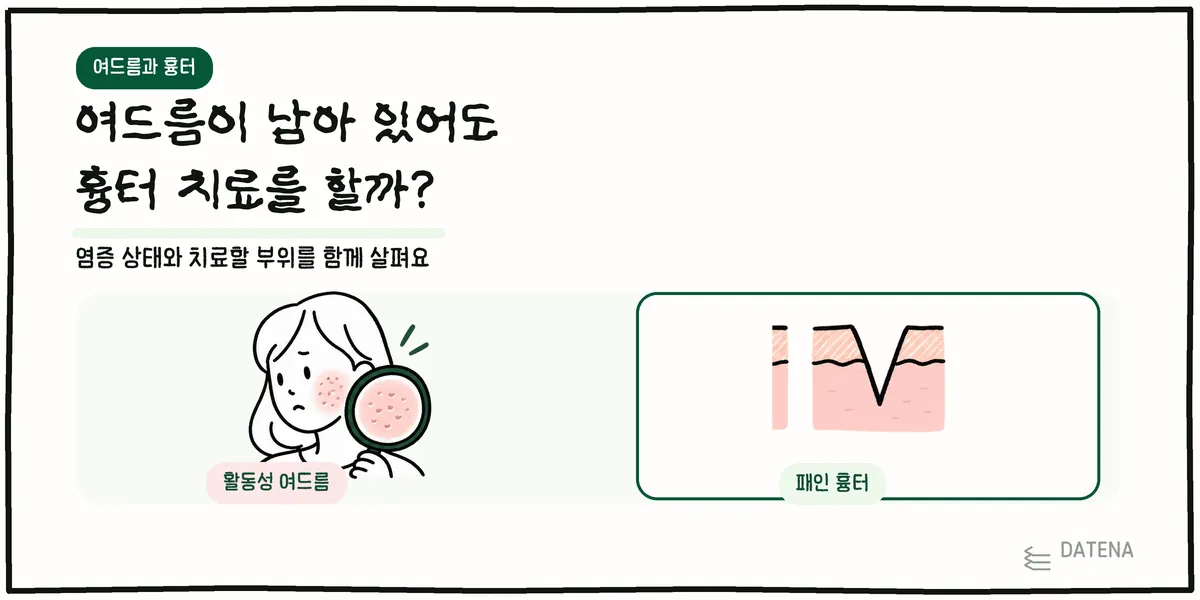
Can I Start Scar Treatment While I Still Have Acne?
1. Ongoing breakouts can make you hesitate about scar treatment
Hello, this is Datena Clinic.
You may want to treat old indented scars, but when new pimples keep popping up, you might hesitate to book.
You might worry that more scars will form while you wait, or that treatment now could irritate your skin further.
When you're dealing with both inflammation and scarring, you need a clear explanation of how each will be treated.
We'll look at the depth and location of your current acne and your remaining indented scars, then talk through the order of treatment with you.
2. Deep, painful inflammation needs to be controlled first
If you have pus-filled lesions or painful ones you can feel deep under the skin, getting the inflammation under control comes first.[1]
When deciding whether to treat an inflamed area, we also have to consider skin damage and the risk of infection.
Squeezing or repeatedly pressing on pimples can worsen inflammation and leave marks that last longer.
That's why we continue treatment to reduce new breakouts even before scar treatment begins.
3. We look at where the inflammation is and how much area the scar treatment covers
Having acne on your forehead with only old scars on your cheeks is a different situation from having several inflamed spots right in the cheek area being treated.
Not just the number of pimples, but also their depth and location affect our decision.
Depending on your skin, we may postpone treatment in some areas or adjust the overall schedule.
When photos alone aren't enough to decide whether to proceed, we need to examine your skin in person and assess the inflammation.
4. Let us know about both oral and topical medications
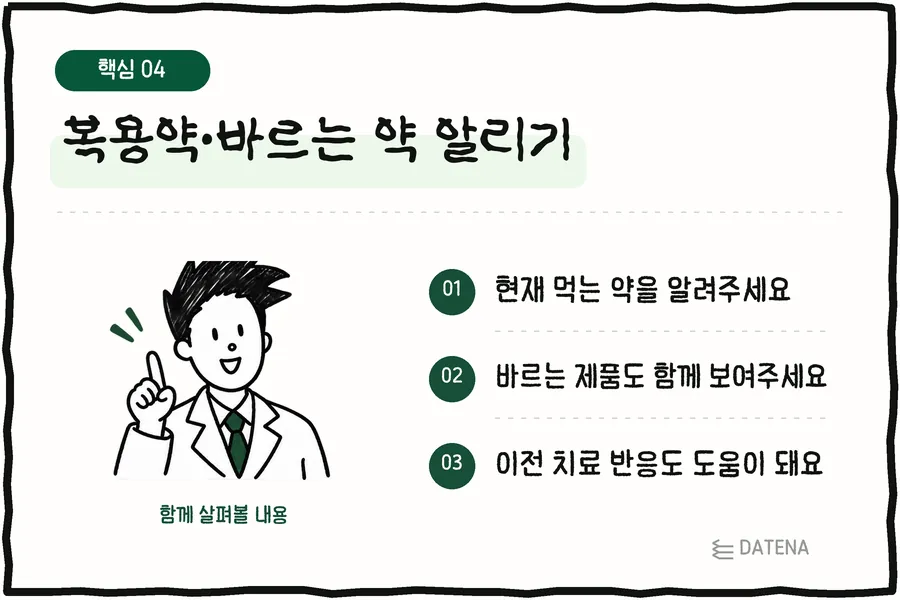
If you're taking acne medication or applying any to your skin, please tell us the product names and how long you've been using them.
Dryness or irritation caused by medication can also affect how well your skin recovers.
The acne medication you currently take and how long you've been taking it
Whether you're taking isotretinoin now or recently finished a course
Prescription topicals and exfoliating products you use on your skin
Any recent dryness, stinging or dermatitis
When to schedule a procedure before or after isotretinoin depends on the treatment planned and your skin's condition. Please don't stop your medication on your own.
5. If new breakouts appear during treatment, let us know before your next visit
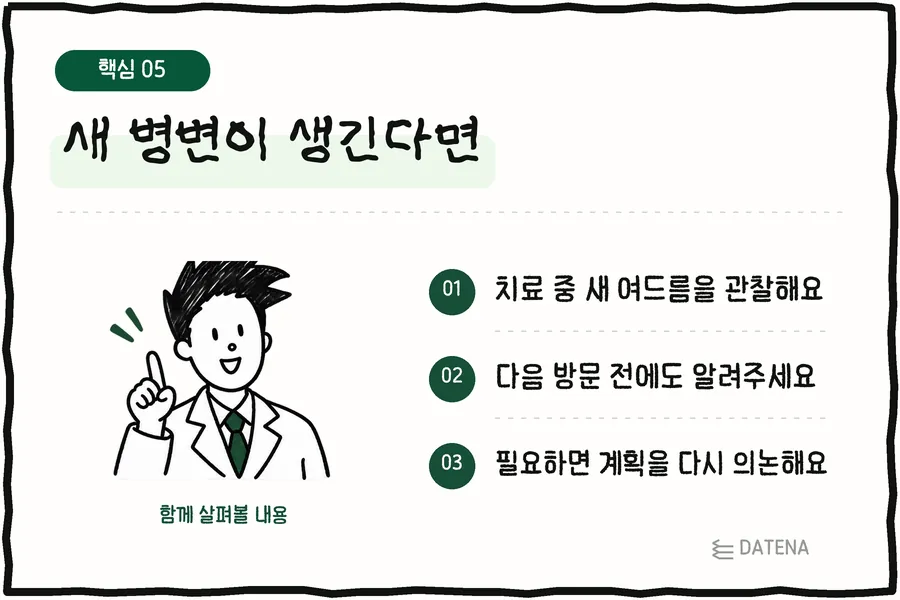
Even if your procedure date is set, new inflammation means we need to reassess your skin.
Telling us where it hurts and when it started helps us decide how much to treat that day.
Please don't squeeze breakouts yourself to calm them down just so you can keep your appointment.
Postponing a planned treatment for a while can be the right choice for your skin's recovery.
6. For those dealing with both inflammation and scarring
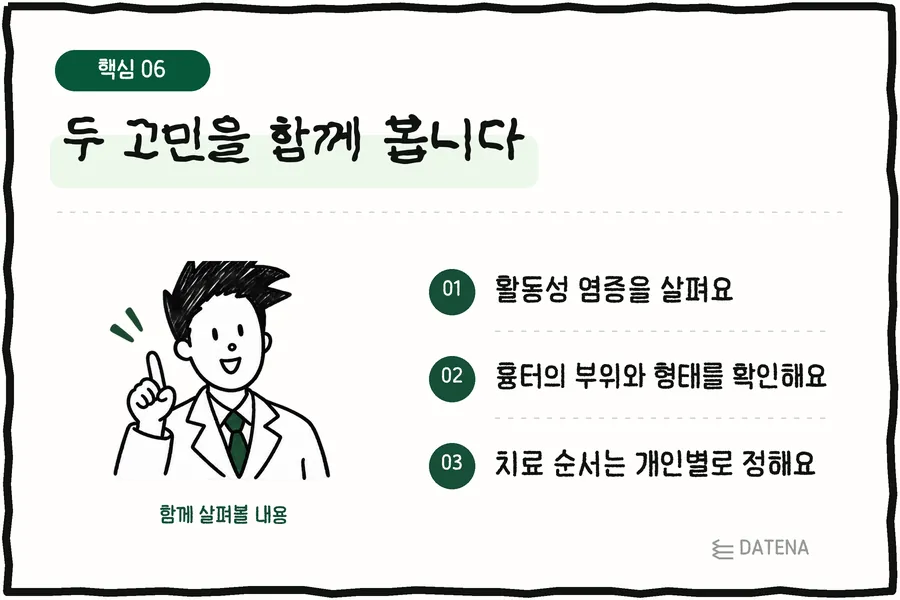
Treating scars on acne-prone skin means looking at how much inflammation is present and where, what medications you use, and what treatment is planned.
While active inflammation is brought under control, remaining indented scars are treated at a timing and extent that suit your skin.
Treatment to reduce new breakouts helps prevent new marks and scars from forming.
Today we explained why treatment order matters when you have both acne and scars.