
How Long Acne Pigmentation Lasts, Why It Lingers, and What to Check

1. When the acne is gone but the marks remain
Hello, this is Datena Clinic.
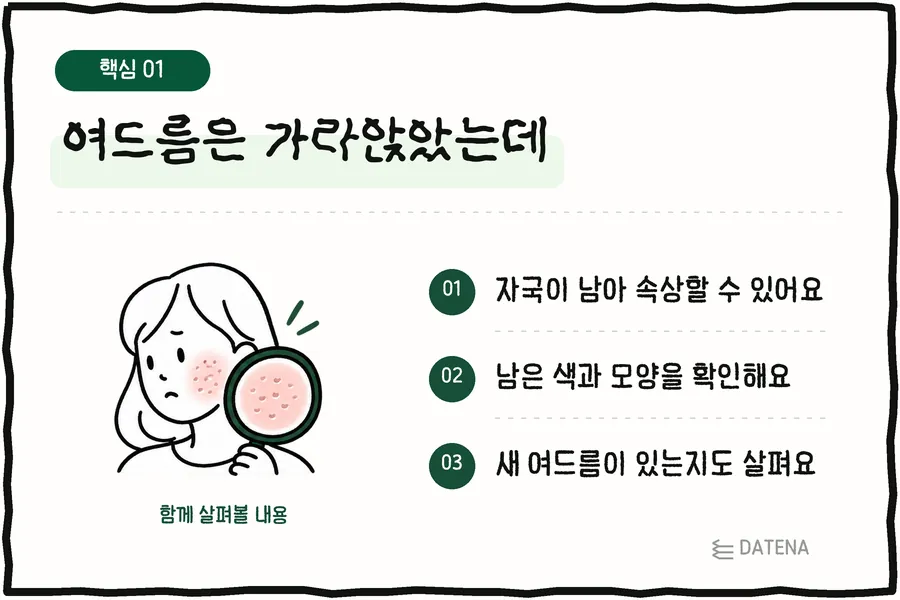
Even when your acne no longer hurts, leftover brown marks can make it feel like your skin hasn't really improved.
You may find yourself checking the mirror every day, wondering when they'll fade, and worrying they're lasting longer than they do for other people.
And if the marks keep showing through even under makeup, they can bother you even more.
Let's look at the types of marks that linger and why they last, starting with gentle care that eases the burden on your skin.
2. Brown marks and red marks are looked at separately
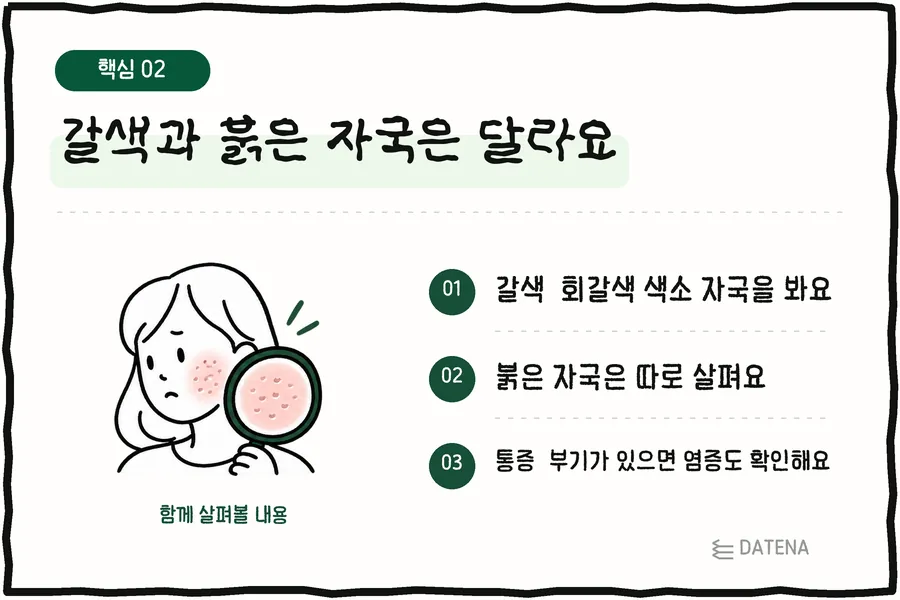
Marks left behind in brown or grayish-brown tones can involve pigmentation.
Red marks, on the other hand, can involve changes such as blood vessel changes after inflammation, so they can't be explained the same way.
Both can also show up together in the same area.
What remains | What we check during the exam |
|---|---|
Brown or grayish-brown marks | How much pigmentation there is and how deep it goes |
Red marks | Redness after inflammation and vascular changes |
Pain or swelling you can feel | Active inflammation that's still present |
Lighting in photos can make colors look different, so we need to see your actual skin to make a judgment.
3. If new breakouts keep coming, new marks keep adding up
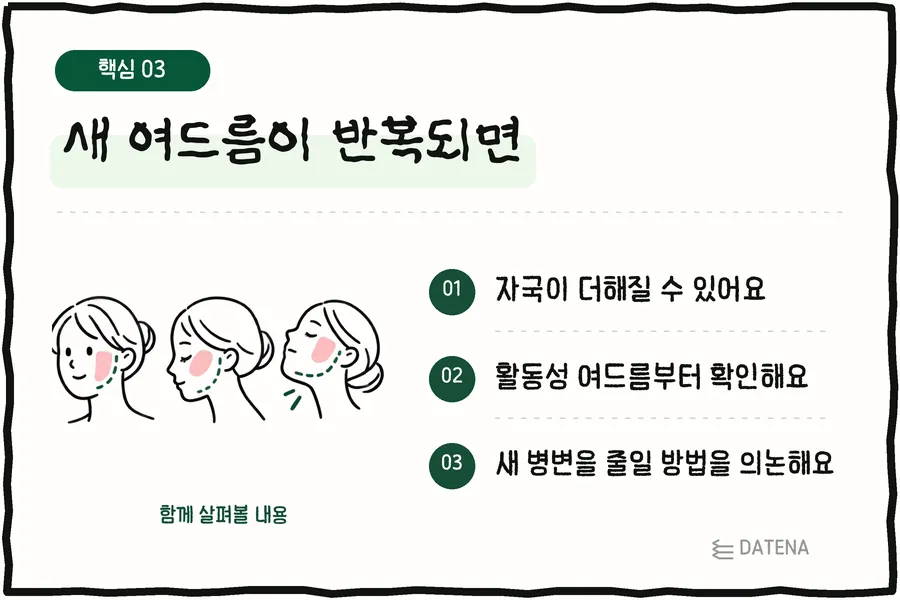
If inflammation comes back in the same spot while an old mark is fading, a new mark can form on top of it.
In that case, it can feel like the same mark has been there the whole time.
Picking at pimples or scrubbing off dead skin too hard also irritates the skin.
That's why we treat current acne at the same time as managing pigmentation.
4. Cut down on sun and repeated irritation
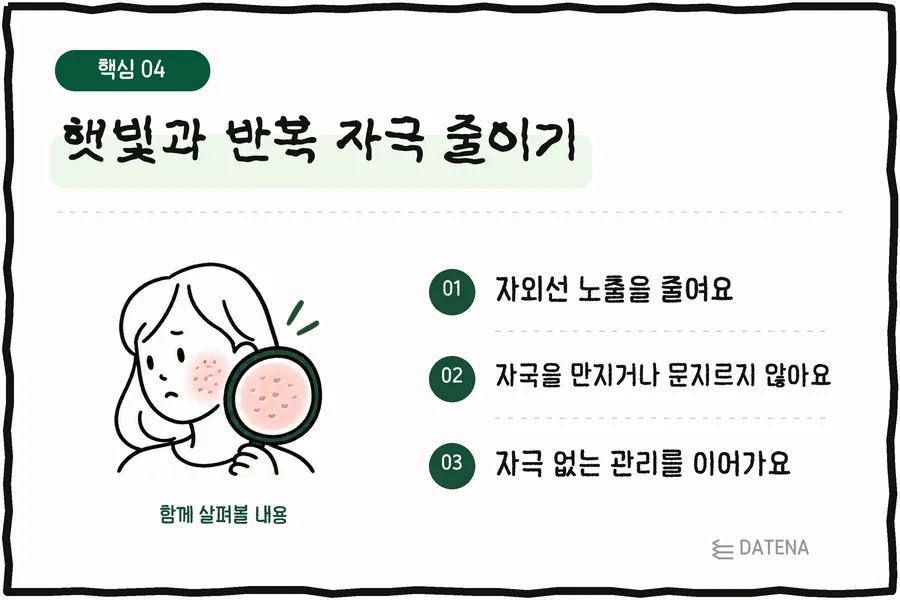
UV rays can make leftover pigment look darker or help it stick around longer.
Use a sunscreen that suits your skin, and wear a hat or carry a parasol when you're outdoors.
Using scrubs or acid products too often in a rush to clear marks can cause dermatitis.
If a product makes your skin red or stinging after you apply it, don't just tough it out; talk with us about how to use it.
5. If marks linger or get darker, let's discuss treatment
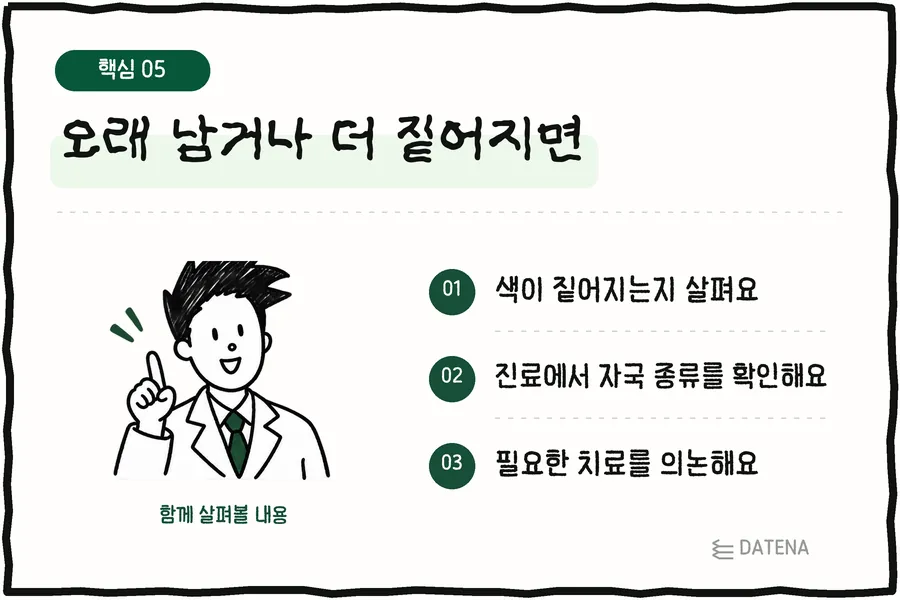
Depending on how much pigment there is and the state of your skin, topical medication or in-office procedures may be considered.
Choosing the right approach means also looking at any current inflammation and how sensitive your skin is.
Repeating harsh treatments can cause new pigmentation, so we carefully decide on intensity and intervals.
If a mark changes in size or shape, or color appears somewhere you never had acne, other causes need to be checked.
6. For those waiting for their marks to fade
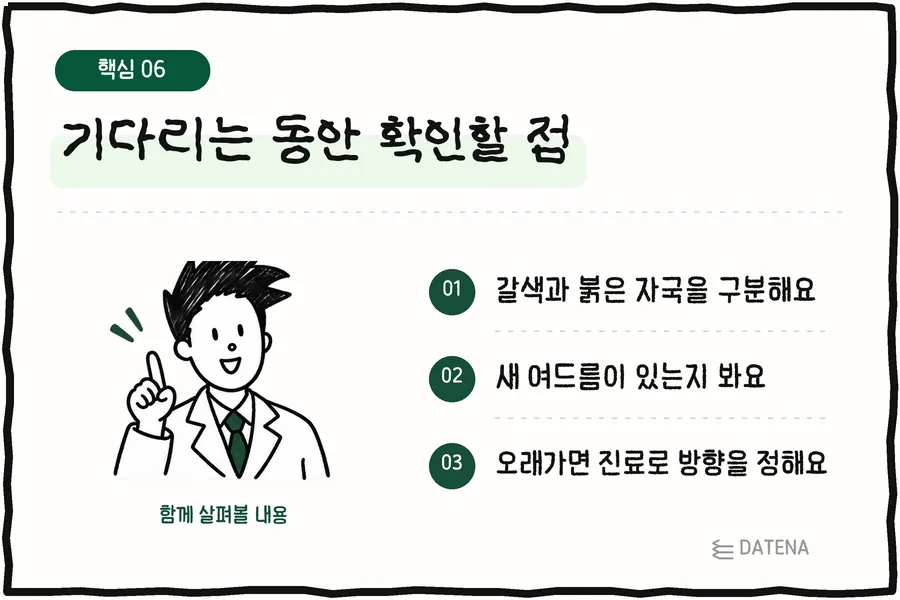
How long acne pigmentation takes to fade depends on your skin tone, how deep the pigment is, and ongoing inflammation and irritation.
It's important to keep up care suited to your type of mark, along with acne treatment and sun protection.
Rather than searching the mirror for changes every day, check for progress at intervals under similar conditions.
We hope you can watch your marks fade with a little more peace of mind.