
CureJet for Acne Scars: Which Scars Is It Worth Considering For?
1. Indents that bother you when you do your makeup or take photos
Hello, this is Datena Clinic.
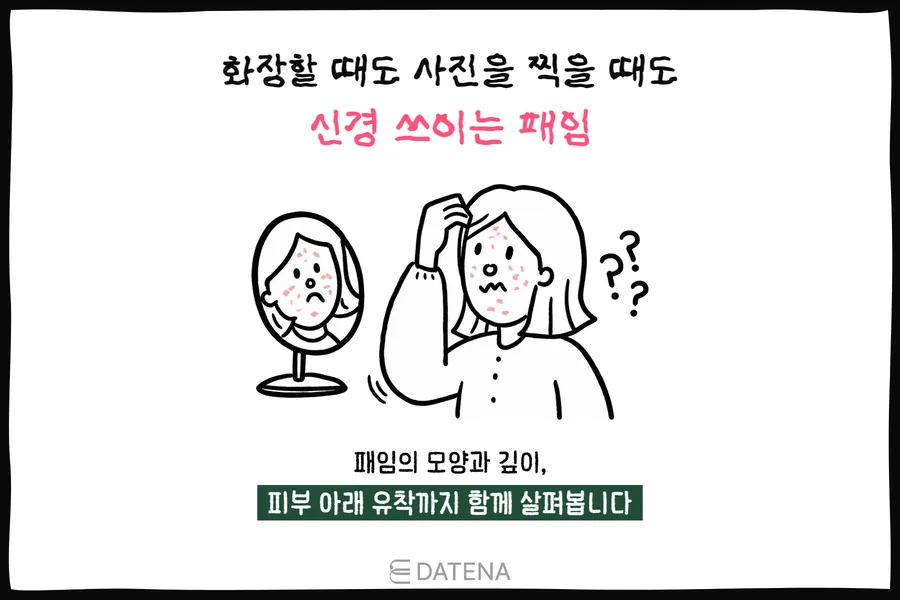
Even after acne has calmed down, indents left on the cheeks can keep weighing on your mind.
It can be upsetting when small pits still show through makeup, or when shadows on your cheeks catch the eye in photos.
As you read up on CureJet, it's natural to wonder whether it could help your scars and what kind of change is realistic.
During the consultation, we examine both the shape of the indents and the areas being pulled down from beneath the skin.
2. CureJet delivers selected ingredients into the skin
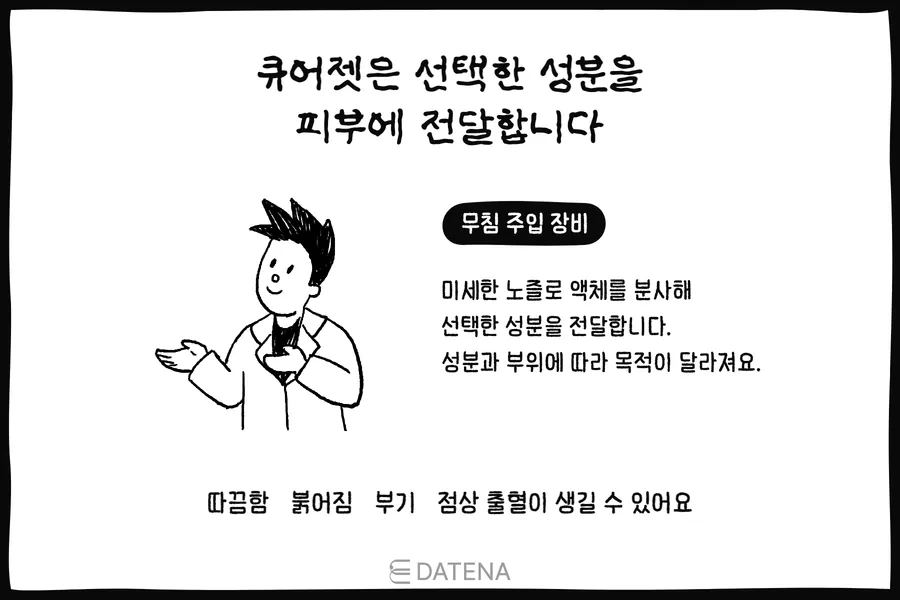
CureJet is a needle-free injection device that sprays liquid from a micro-nozzle to deliver it into the skin.[1]
The purpose of the treatment changes depending on which ingredient is delivered and to which area.
Even with a needle-free device, pain or skin reactions can occur.
You may feel stinging during the procedure, and redness, swelling or pinpoint bleeding may appear afterward, so it needs to be tailored to your skin's condition.
3. What needs treating depends on the shape of the indent
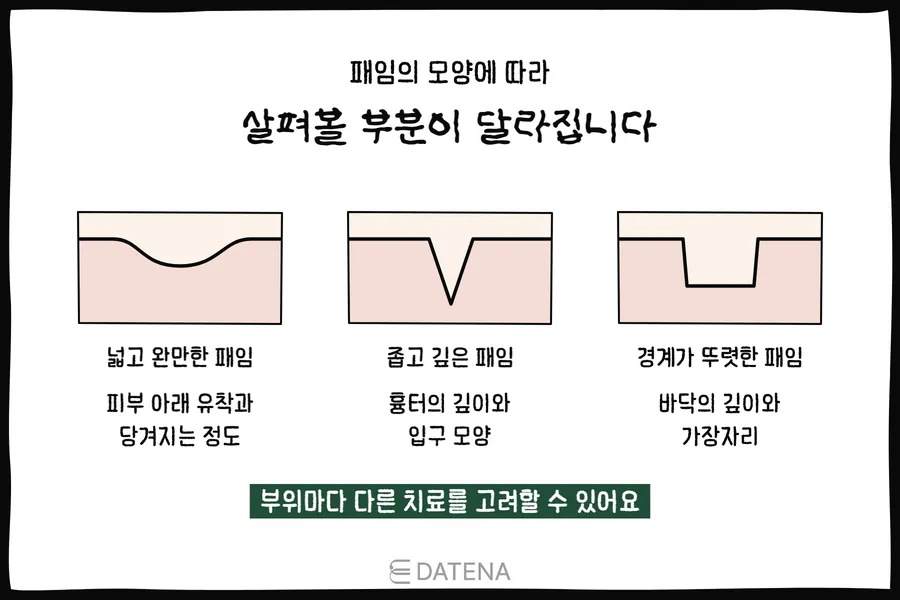
For wide, gently sloping indents, we need to see whether a pulling force beneath the skin is involved.
Scars with a narrow opening and deep base, or scars with sharp borders, are assessed separately for depth and edges.
Areas that CureJet alone can't adequately address may need other treatments.
What you notice | What we examine in consultation |
|---|---|
Wide, gently sunken areas | Tethering beneath the skin and how much it pulls |
Narrow, deep pits | Scar depth and the shape of the opening |
Sharply defined depressions | Depth of the base and the edges |
When one face has a mix of scar types, we may consider a different treatment for each area.
4. How your skin looks right after treatment may differ from how it progresses
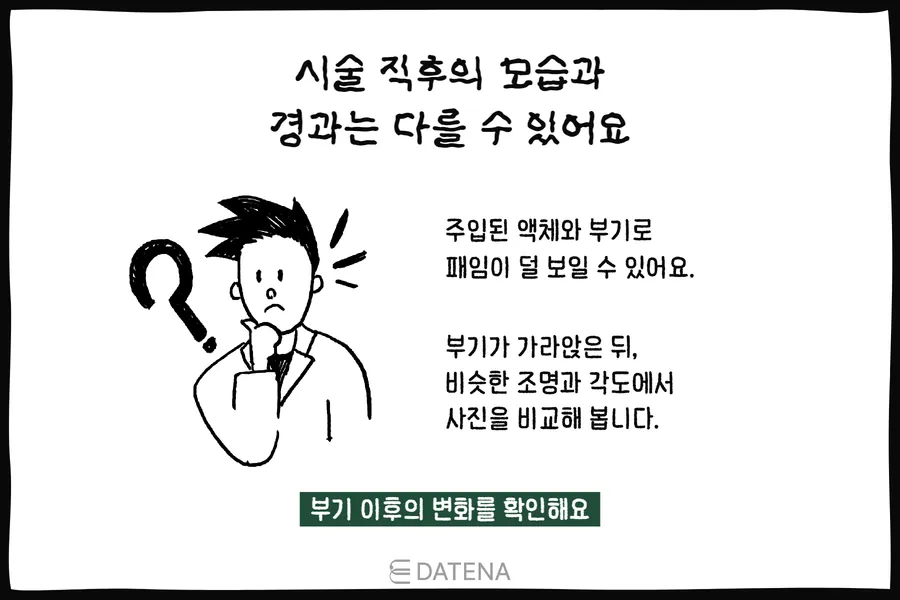
Right after treatment, scars can look shallower because of the injected fluid or swelling.
We need to see whether the change continues after the swelling goes down to judge how your skin is responding.
It helps to compare photos taken under similar lighting and from similar angles.
We look separately at how much deep depressions have softened and whether the shadows at the scar edges have faded.
5. We address both long-standing scars and new breakouts
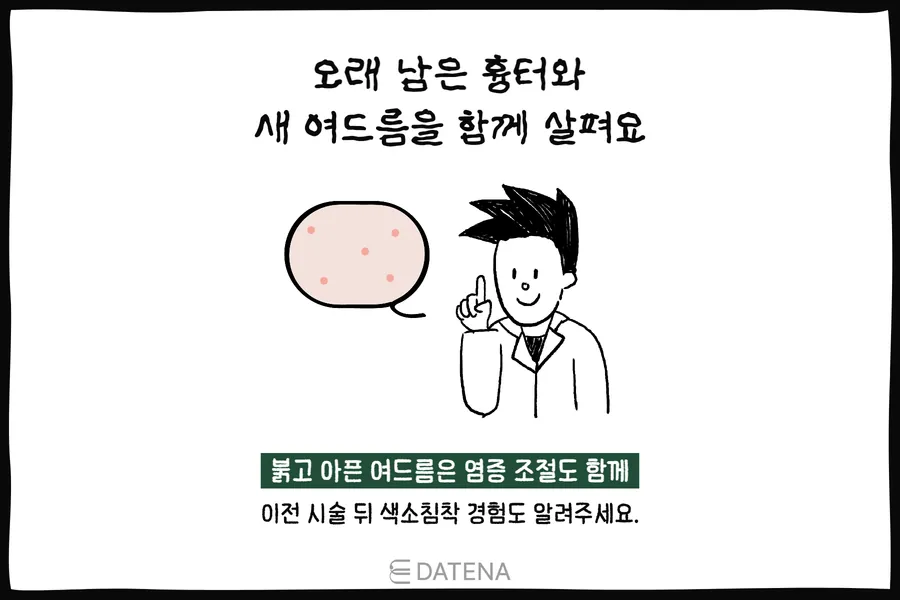
If red, painful pimples are still coming up, treatment to control the inflammation is needed as well.
That's because repeated new inflammation can leave more marks or scars even during treatment.
Please also let us know if you've had pigmentation that lingered after previous laser or injection treatments.
How your skin reacted in the past helps us decide the intensity and coverage of this treatment.
6. For those who have been considering CureJet
CureJet is applied after considering the shape and depth of the depressions, whether there is tethering, and which ingredients to deliver.
The changes you can expect in deep scars and in skin texture may differ, and there are limits to how completely scars can be erased.
Understanding how much improvement is possible for your current scars helps you set clear, realistic expectations.
We hope today's explanation has been helpful if you've been considering CureJet for acne scars.
Medically reviewed by: Dr. Kang Dong-hyun (Datena Clinic) · Meet our doctors: /about.html