
Thermage results: telling the same-day tightening apart from the skin changes that come later
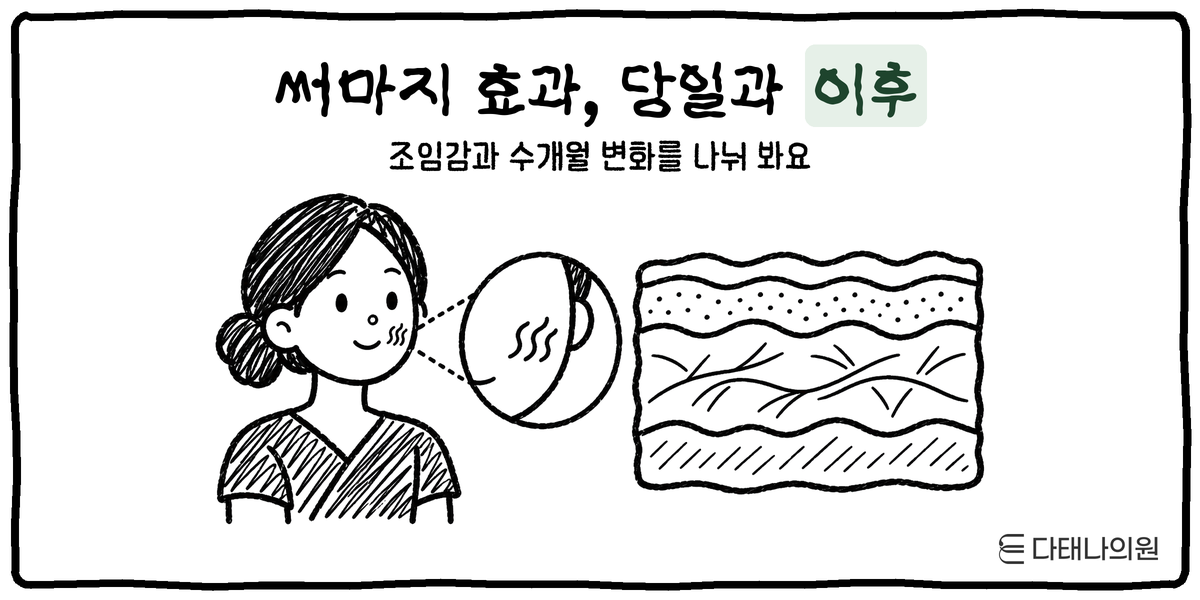
If your skin felt tighter on the day of Thermage but looked about the same a few days later, you may be wondering how far the results really go. Here we cover how monopolar radiofrequency generates heat, how things change over time, and what you can realistically expect for skin firmness and fine lines.
1. How monopolar radiofrequency heats the skin
2. What's different about Thermage FLX
3. The tightness you feel on the day
4. Skin changes over time
5. What to expect for firmness and fine lines
6. When it may not be a good fit, and reactions to watch for
Today's summary
Thermage uses radiofrequency heat to stimulate collagen in the dermis.
Same-day tightness and changes over the following months should be looked at separately.
The changes you can expect are mainly in skin firmness and fine lines.
We don't perform it if you have an implanted electronic medical device such as a pacemaker.

Hello, this is Datena Clinic.
Look up Thermage results and you'll find people saying it works right away, and others saying it takes months to notice. Neither is wrong, but they're describing different things. The tightness on the day is a mix of heat-induced collagen contraction and swelling, while the changes over several months come from your skin building new collagen. Today we'll walk through how Thermage FLX delivers heat, how things change over time, what to expect, and which reactions to watch for.
1. How monopolar radiofrequency heats the skin
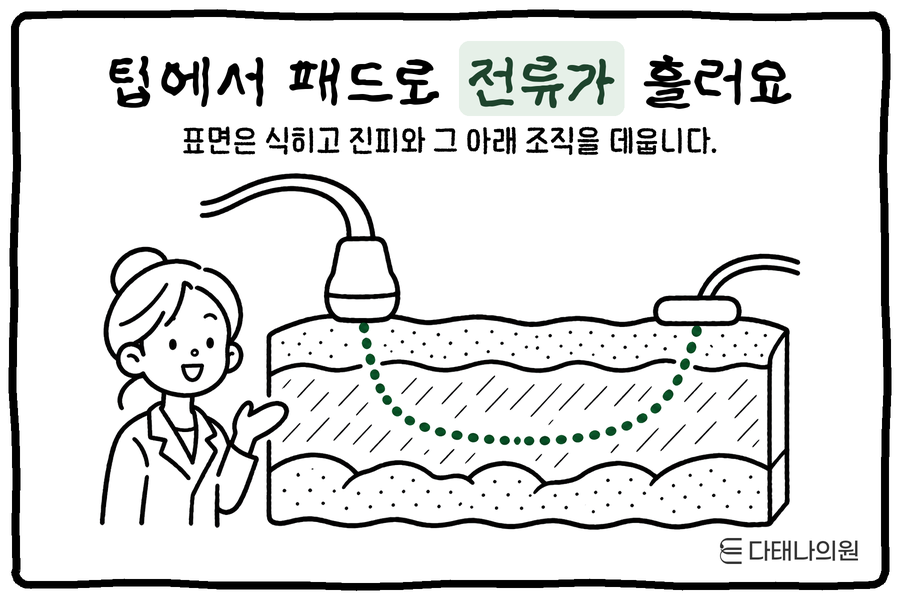
Thermage is a monopolar radiofrequency device. Current flows between the tip placed on your skin and a pad attached to your body, and as tissue resists that current, heat builds up in the dermis and the tissue beneath it. The tip cools the skin surface while this happens, so it's designed to protect the epidermis while heating deeper layers. Compared with bipolar radiofrequency, which mainly heats the shallow layer between two electrodes, the heat tends to spread deeper and wider. This deep heating is also why monopolar radiofrequency can feel hotter and more painful during treatment than other methods.
2. What's different about Thermage FLX
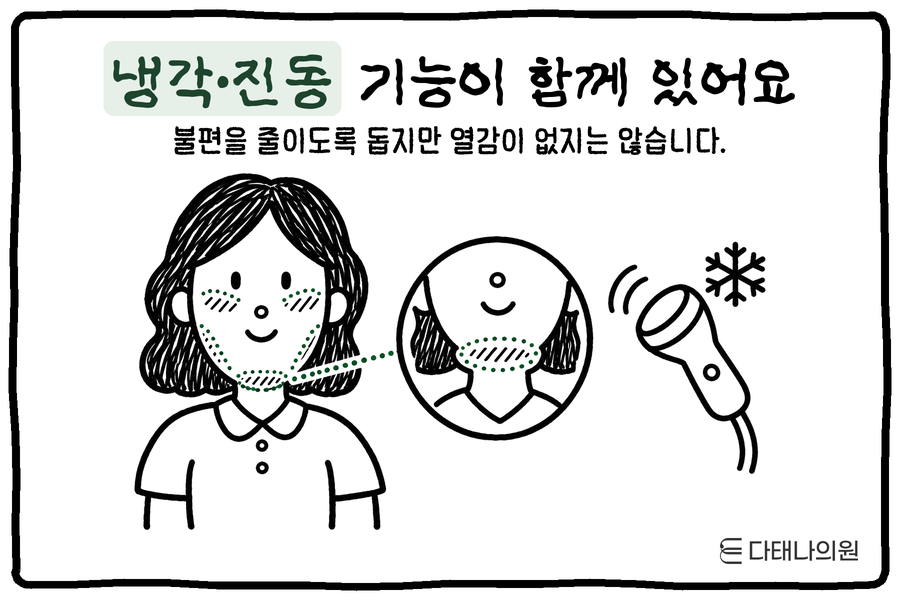
Thermage FLX is a Thermage device that uses a tip with built-in cooling and vibration. The manufacturer says it continuously adjusts energy delivery to your skin's condition during treatment. The vibration and cooling help reduce discomfort from the heat, but that doesn't mean you won't feel any heat at all. And there's still limited evidence to say that a newer generation of the device produces proportionally bigger results. Besides the full face, it can also be done on separate areas such as around the eyes, the jawline, and under the chin.
3. The tightness you feel on the day

When heat reaches collagen in the dermis, some collagen fibers contract, which can make your skin feel tighter right after treatment. The manufacturer also notes that some patients may feel tightening immediately afterward. At this stage, though, there's also mild swelling from the heat, which contributes to the skin looking taut. So it's common for the tightness to ease a few days later as the swelling goes down, and it's best not to judge the results on that alone. On the other hand, even if you didn't feel much tightening right away, collagen changes can still develop separately afterward.
4. Skin changes over time

After the heat stimulus, your skin produces new collagen and remodels existing collagen as it recovers. The manufacturer says changes may continue over the following 2–6 months, and some studies report improvement starting around 1–2 months. How fast and how much things change depends on skin thickness, age, and the degree of sagging. If your weight changes significantly before or after treatment, it becomes hard to tell skin changes apart from changes in your facial contours. Taking photos under the same conditions before treatment and a few months later lets you compare more accurately than relying on memory.
Timing | What's mainly seen |
|---|---|
Right after treatment | Warmth, tightness, redness |
First few days | Swelling settles down |
1–2 months | Watch how skin texture changes |
2–6 months | Collagen remodeling underway |
5. What to expect for firmness and fine lines

People usually look to Thermage for changes in mild sagging where the skin has thinned and loosened, fine lines around the eyes and forehead, and rough skin texture. On the other hand, deep sagging with a lot of loose skin, or areas that have hollowed out from volume loss, are hard to change with radiofrequency heat alone. It's also worth knowing that satisfaction varies widely across studies, so two people can have the same treatment and feel quite different results. How long the effect lasts also depends on how fast you're aging and on your lifestyle, so we can't promise a set duration. The manufacturer says changes can be expected from a single session and that some people consider yearly treatments for maintenance, but it's better to decide on your next session based on how your skin looks at that point.
6. When it may not be a good fit, and reactions to watch for

If you have an active electronic medical device in your body, such as a pacemaker or defibrillator, you shouldn't have Thermage. If you have an infection or wound in the treatment area, or have recently had another procedure, please let us know in advance. Redness and swelling after treatment are common and usually settle within a few days, but blisters, scabs, darkening of the skin, or surface bumpiness that shows up more than a month later are signs that need to be checked. There are also rare reports of reduced sensation or facial fat loss that made areas look hollow, so if changes like these last, they should be looked at in a consultation. At Datena Clinic, we don't use sedation; we usually apply numbing cream for about 30 minutes and add a nerve block if needed.
Wrapping up

You'll understand Thermage results more accurately if you separate the tightness you feel on the day from the skin changes over the following months. Figuring out first whether your concern is mainly skin firmness and fine lines, or deep sagging and volume, lets you set realistic expectations for what radiofrequency can do. Keeping separate notes on the few days when swelling and tightness settle and the months when collagen changes develop will help you judge your results more calmly.
You can find details on our treatments and directions on the Datena Clinic official website.