
How to Get Rid of Acne: What If Skincare Isn't Enough?
Today's summary
Acne forms when oil and dead skin clog pores and inflammation sets in
Skincare products alone often can't eliminate the root cause
Squeezing pimples with your fingers makes inflammation worse and easily leaves scars
Acne that keeps coming back, or is red and hard, is a sign it may be time to consider professional treatment
Hello, this is Datena Clinic.
Many people switch skincare products and pay closer attention to how they wash their face, yet still find acne coming back in the same spots.
If skincare alone isn't keeping things under control, it's probably not that the products are wrong for you. It helps to understand how acne actually forms in the first place.
Be especially careful about squeezing or forcing out pimples with your fingers, as this can make inflammation worse and lead to scarring.
Today we'll walk through how acne develops, and what to look into when at-home care isn't solving the problem.
1. Why skincare alone doesn't clear it up
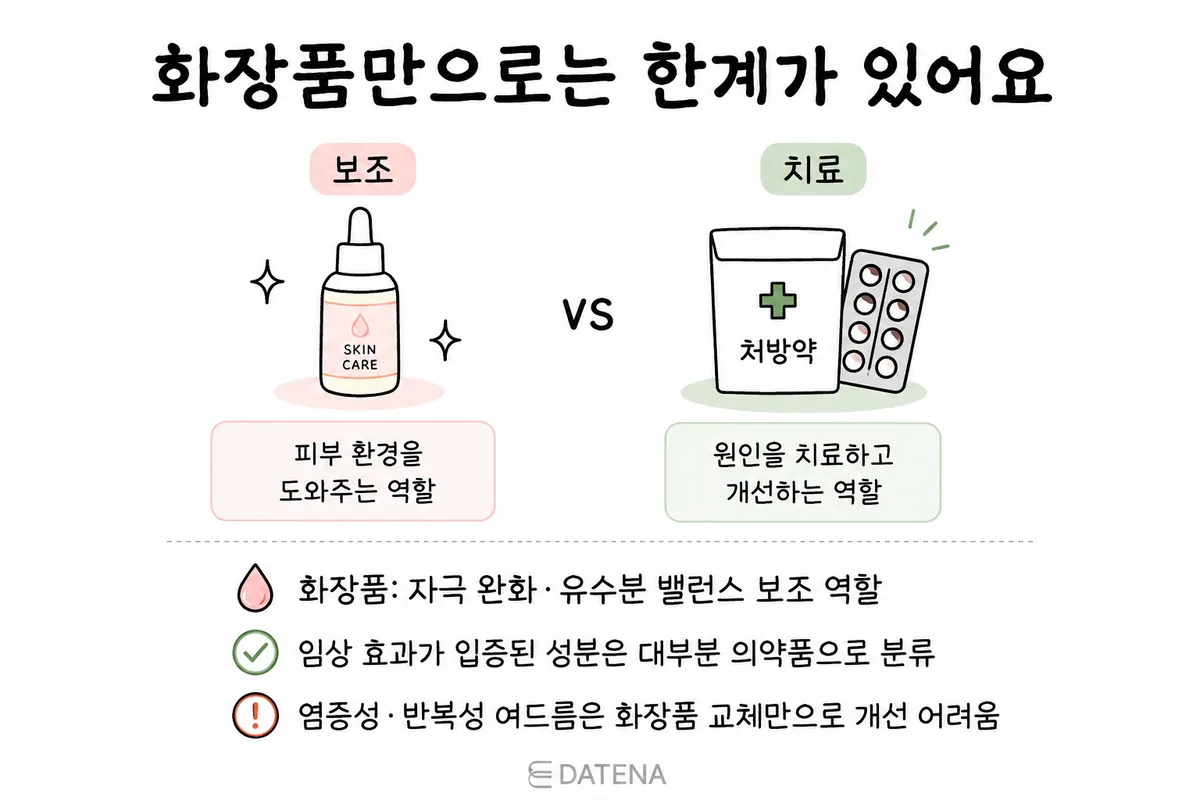
Most over-the-counter products mainly reduce irritation or help balance oil and moisture. They generally don't contain ingredients that address the root causes of acne.
Most ingredients with clinically proven effects are classified as medications and are only available by prescription.
That's why inflammatory or recurring acne often doesn't improve just by switching products.
If acne keeps appearing in the same place even after you change your routine, it's worth looking again at the underlying cause rather than your routine.
2. How acne forms
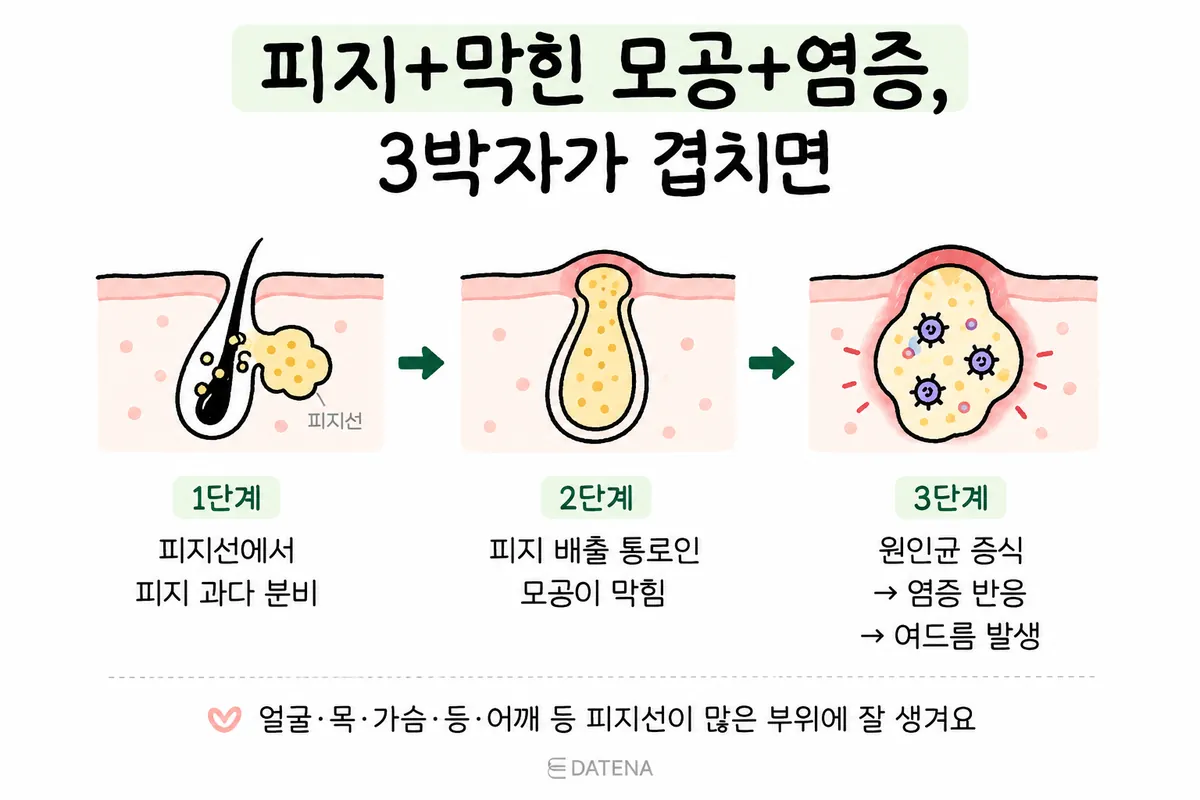
Acne begins when the sebaceous glands produce too much oil and the pores, the channels that let that oil out, become clogged.
When acne-causing bacteria multiply inside a clogged pore, inflammation sets in, and the pimple can become red and swollen or fill with pus.
This is also why acne tends to show up on the face, neck, chest, back and shoulders, where sebaceous glands are concentrated.
Understanding how these three conditions (oil production, clogged pores and inflammation) overlap helps point you in the right direction for care.
3. Why you shouldn't pop pimples yourself
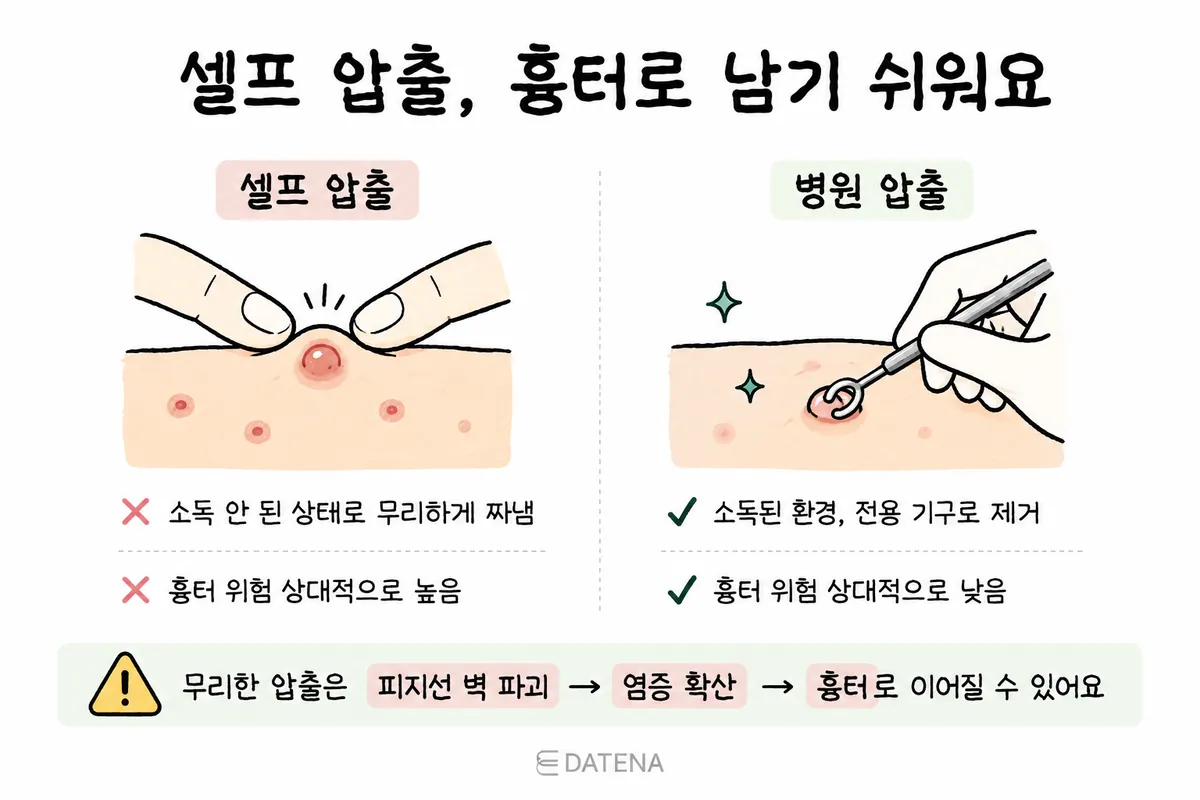
Forcefully squeezing a pimple can rupture the already weakened wall of the sebaceous gland, causing the inflammation to spread deeper and wider.
If the damage reaches the dermis, the chance of scarring goes up significantly.
Professional extraction, on the other hand, is done in a sterile setting: the pore is gently opened and the contents removed with specialized tools, which lowers the risk of scarring compared with doing it yourself.
If a pimple is already filled with pus, it's better for preventing scars to get treatment that calms the inflammation first, rather than squeezing it.
Type | Method | Scarring risk |
|---|---|---|
At-home extraction | Squeezed forcefully by hand without sterilization | Relatively high |
Clinic extraction | Pore opened and contents removed with specialized tools in a sterile setting | Relatively low |
4. Hormonal acne
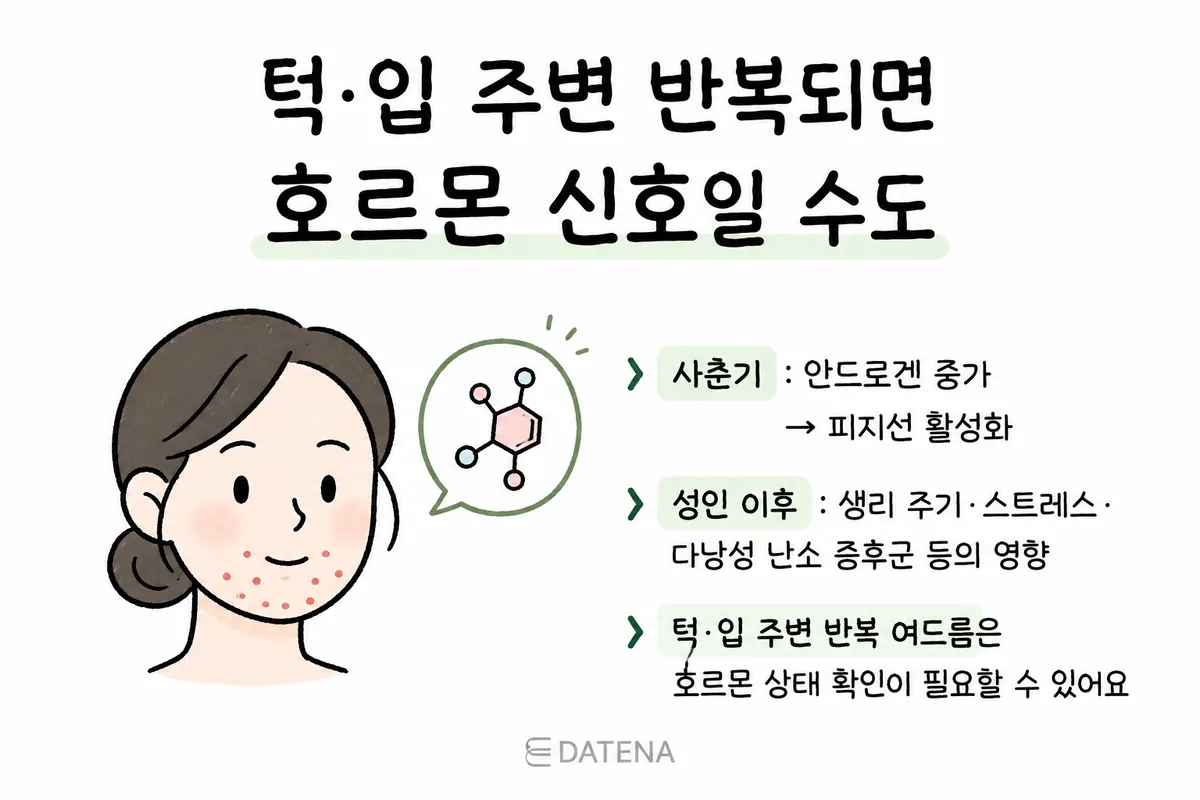
During puberty, rising androgen levels enlarge the sebaceous glands and increase oil production, creating conditions where acne forms easily.
Even in adulthood, hormonal imbalances caused by the menstrual cycle, stress or conditions like polycystic ovary syndrome (PCOS) can lead to acne repeatedly appearing in specific areas, such as the jaw or around the mouth.
In these cases, pore care and cleansing alone have their limits, and it may be necessary to also check the underlying hormonal factors.
If acne keeps recurring in one particular area, it's wise to keep in mind that it may be a sign of hormonal change rather than a temporary breakout.
5. How is acne treated at a clinic?
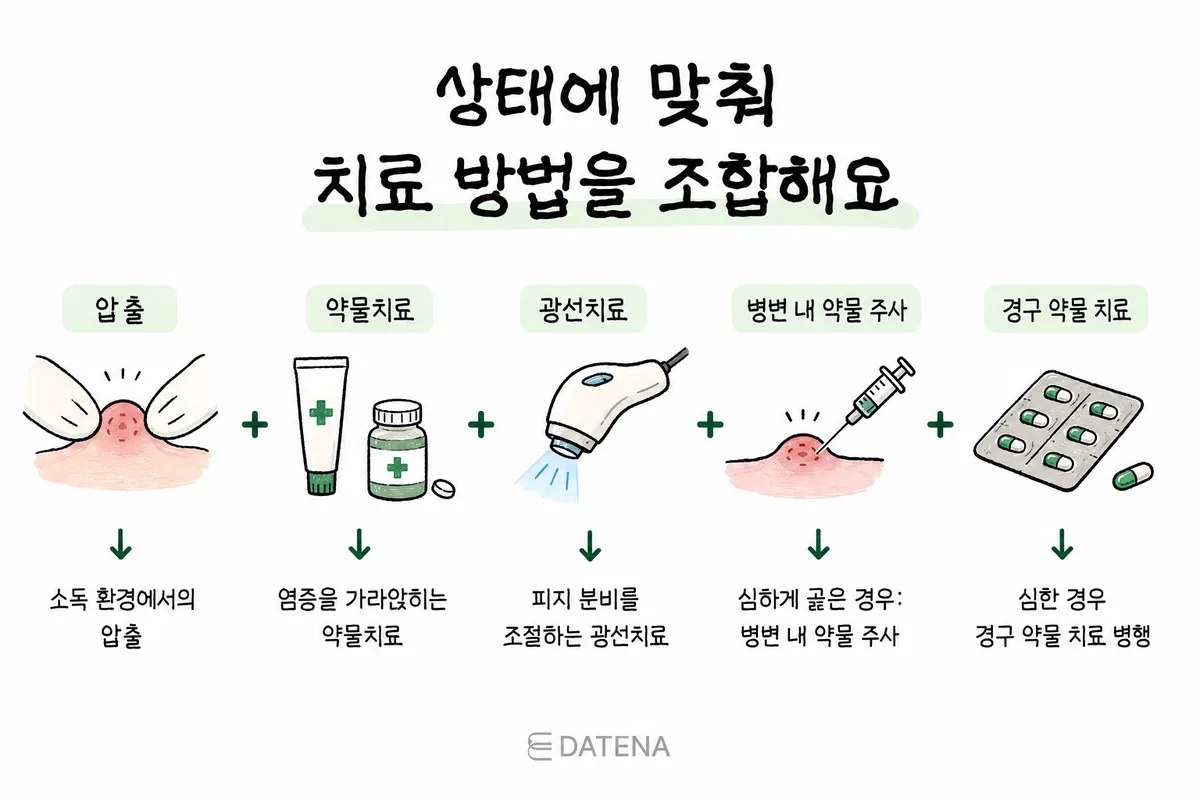
Depending on the condition of the acne, clinics combine treatments such as extraction in a sterile setting, medication to calm inflammation, and light therapy to regulate oil production.
For large, hard, pus-filled pimples, a small amount of medication may be injected directly into the lesion to quickly reduce inflammation and lower the chance of scarring.
For severe acne, oral medication may also be prescribed to help control oil production and inflammation.
Because the right treatment depends on the type and severity of your acne and the condition of your skin, an accurate diagnosis has to come first.
6. When should you see a dermatologist?
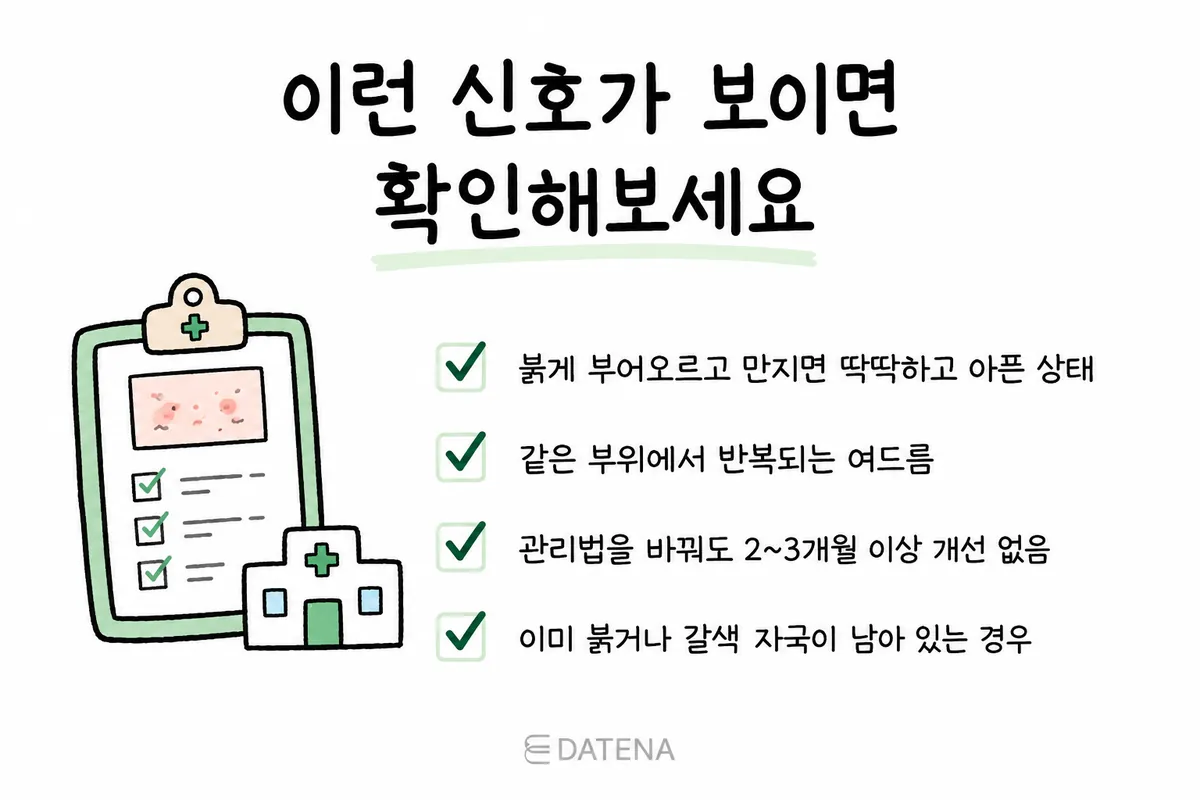
If a pimple is red and swollen, or feels hard and painful to the touch, it's a good idea to see a doctor before it leaves a scar.
If acne keeps coming back in the same spot, or hasn't improved after 2–3 months even after changing your routine, it may be beyond what self-care can handle.
Even if acne marks have already stayed red or brown, the longer they're left alone, the longer the pigment can linger, so getting them checked early helps.
Since it's often hard to judge your condition accurately from symptoms alone, it's important to have your current skin examined in person.
Acne develops when several factors overlap: oil, pores and inflammation. That's why skincare alone often isn't enough.
Leaving recurring or red, hard acne untreated raises the chance of scarring, so it's important to have it checked before it gets worse.
At Datena Clinic, the doctor personally examines your skin and then recommends a treatment approach suited to the type and severity of your acne.
Medically reviewed by: Dr. Kang Dong-hyun (Datena Clinic) · Meet our doctors: /about.html