
Before searching Sofwave prices, first check whether it suits the type of sagging on your face
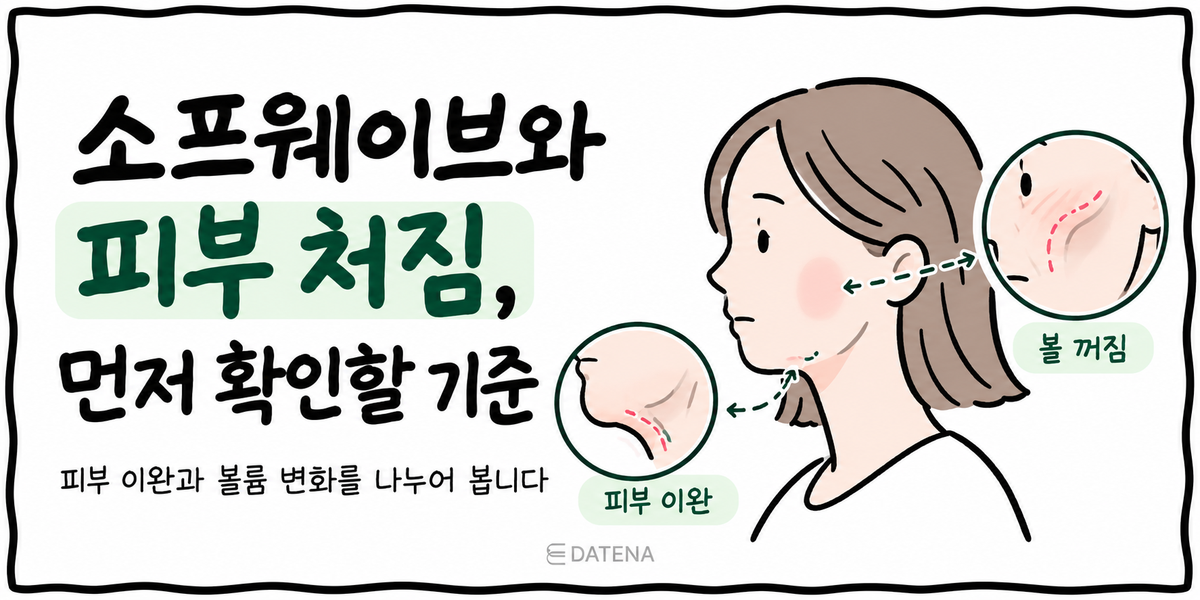
If you're looking into Sofwave, your biggest question is probably whether you can expect a visible change.
Before deciding, let's look at the causes of sagging, the role of ultrasound treatments, and points to be careful about.
Today's summary
Sofwave is a treatment that uses ultrasound.
What you can expect depends on how much sagging you have.
Lost volume and skin laxity need to be told apart.
We also check for possible redness, swelling, and pain.
Hello, this is Datena Clinic.
When people search for Sofwave, they mostly want to know how much their face will change afterward.
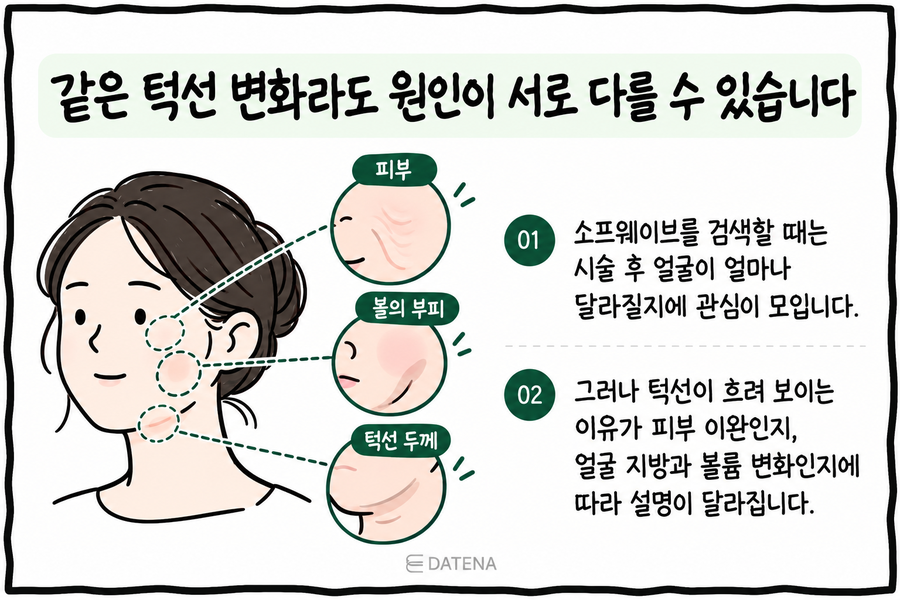
But the explanation differs depending on whether a blurred jawline comes from skin laxity or from changes in facial fat and volume.
Not everyone looking into Sofwave has the same kind of sagging.
Only when you describe exactly what you most want to change in the mirror can we confirm the goal of treatment.
Let's look at the cause of the change first, before the treatment name.
1. What Sofwave Works On and Its Treatment Goals
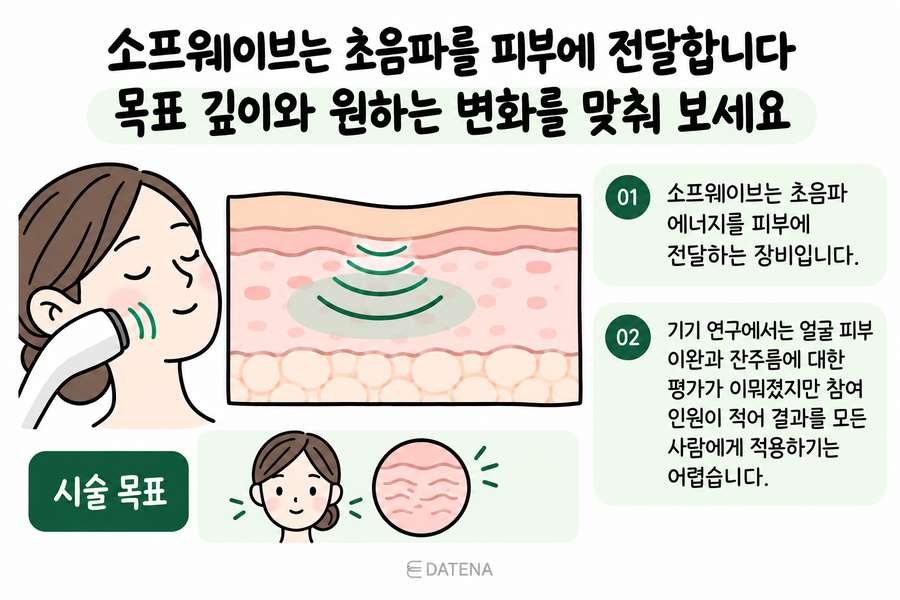
Sofwave is a device that delivers ultrasound energy to the skin.
Device studies have evaluated facial skin laxity and fine lines, but with small numbers of participants, the results can't be applied to everyone.
Not every ultrasound device targets the same depth.
According to the manufacturer, Sofwave's thermal effect targets roughly 0.5–2 mm below the skin's surface.
The key is checking whether that range matches the area that looks like the problem on your face.
Its working depth and goals aren't the same as those of other lifting devices.
2. Start by Identifying What's Changing Your Jawline
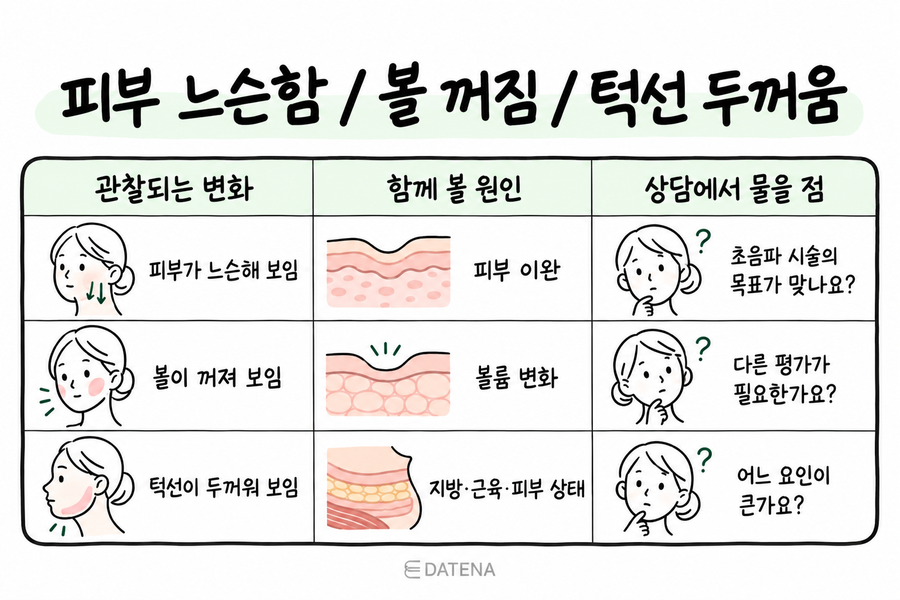
Loose skin, shifted fat distribution, and lost volume can all look similar on the surface.
If skin laxity is mild, or another factor is the main cause, the change you see in your facial contour may be limited.
Useful clues: whether your jawline changes a lot when you gently lift it with your hand, and whether hollow cheeks are creating shadows.
A single photo can't reliably tell skin laxity apart from fat or bone structure.
We need to see your face in person to judge which area is really driving the change.
What you notice | Possible causes to consider | Questions to ask at your consultation |
|---|---|---|
Skin looks loose | Skin laxity | Is this the right goal for an ultrasound treatment? |
Cheeks look hollow | Volume changes | Do I need a different kind of assessment? |
Jawline looks heavy | Fat, muscle and skin condition | Which factor plays the biggest role? |
3. Comparing how you look right after treatment with how you look over time
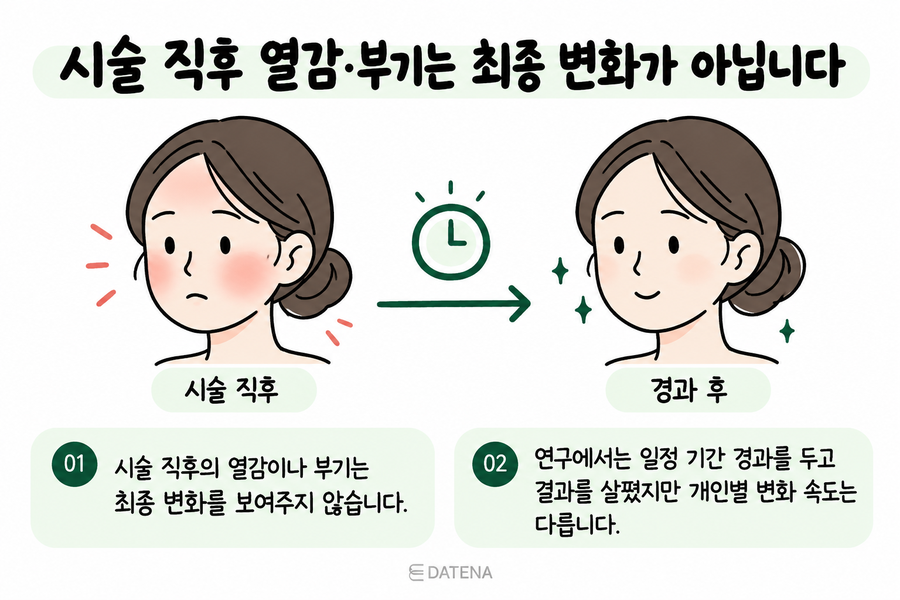
The warmth or swelling right after treatment doesn't show your final result.
Studies looked at results after a set follow-up period, but how quickly changes appear varies from person to person.
Changes in skin firmness should be assessed after the redness from treatment has settled, too.
The changes seen in studies are also average results from small groups, so they can't promise the same degree of change for any one person.
Comparing photos taken under the same conditions alongside your actual skin helps keep expectations realistic.
4. Skin conditions to mention before treatment
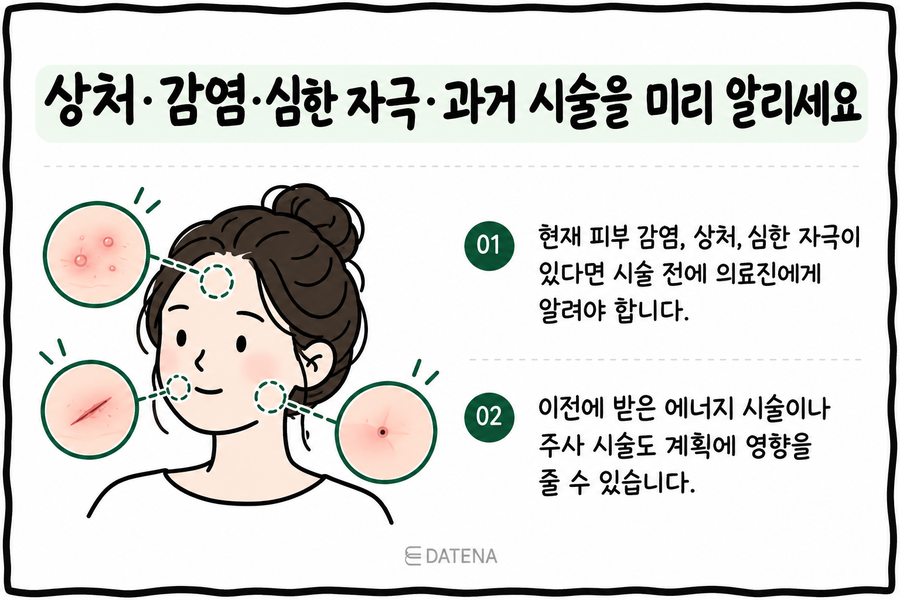
If you currently have a skin infection, a wound or significant irritation, tell your doctor before treatment.
Previous energy-based or injectable treatments can also affect your treatment plan.
If your skin is currently peeling or you suspect an infection, that needs to be checked first.
Knowing where and when you had past injections helps us plan the treatment area.
If you have any unusual sensation in your face or recurring pain, it's best to find the cause first.
5. Telling warmth, redness and blisters apart
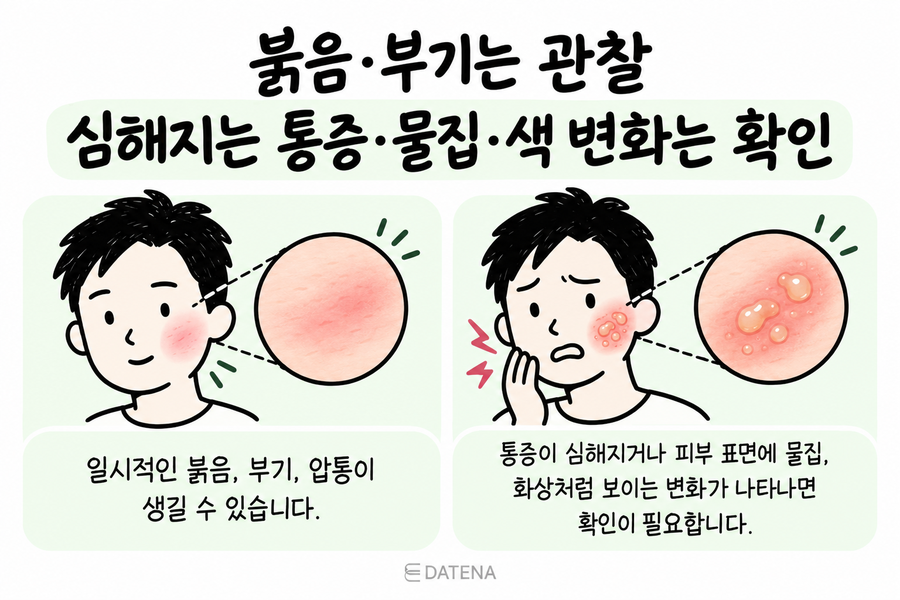
Temporary redness, swelling and tenderness can occur.
If pain gets worse, or you notice blisters or burn-like changes on the skin surface, it needs to be checked.
Note when the warmth started and whether it's gradually easing.
If pain is increasing, your skin changes color or you see blisters, don't wait it out. Have it checked at the clinic where you were treated.
After treatment, follow the skincare instructions you were given and avoid harsh irritation.
6. Checking whether the treatment fits your kind of sagging
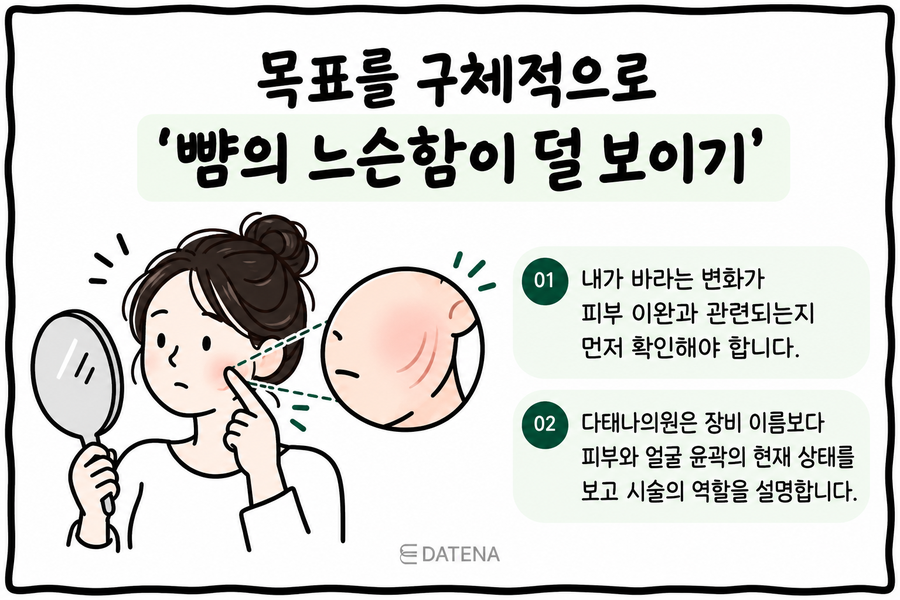
First, check whether the change you want is actually related to skin laxity.
At Datena Clinic, we explain what a treatment can do based on the current state of your skin and facial contours, not on the device name.
Try narrowing your goal from "looking younger overall" to something like "less visible looseness in my cheeks."
A specific goal lets us separate what ultrasound treatment can help with from what it can't.
If the realistic range of results doesn't match what you're hoping for, we can look at other options or simply monitor over time.
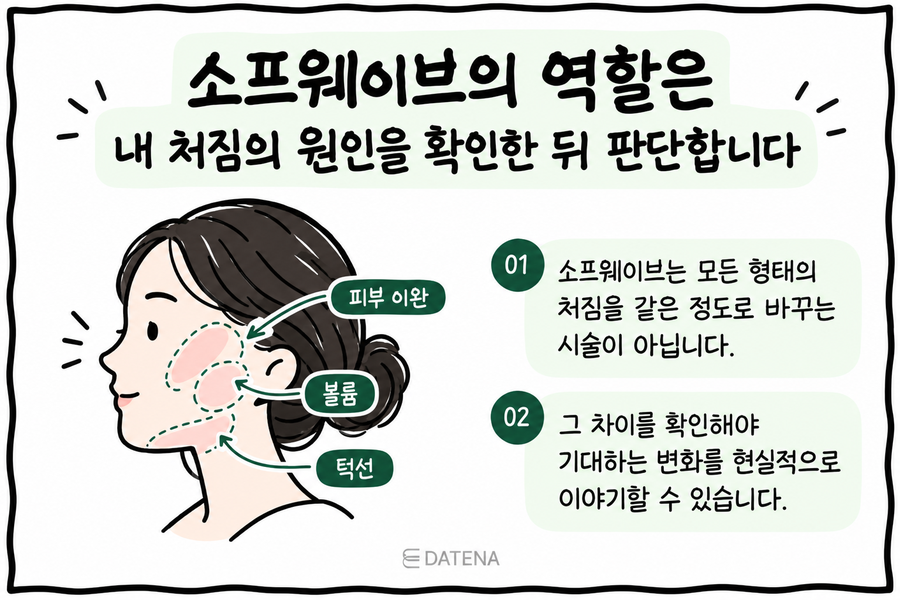
Sofwave doesn't change every type of sagging to the same degree.
When you're weighing up Sofwave, what matters more than reviews of the device is the kind of sagging you have and what you want the treatment to achieve.
Only once that difference is clear can we talk realistically about the change you can expect.
Figuring out which factor is doing the most to your face right now makes the choice much clearer.
You can find details on our treatments and directions on the Datena Clinic official website.