
Trap Botox: Is Your Thick Shoulder Line Coming from Muscle, Posture or Body Shape?
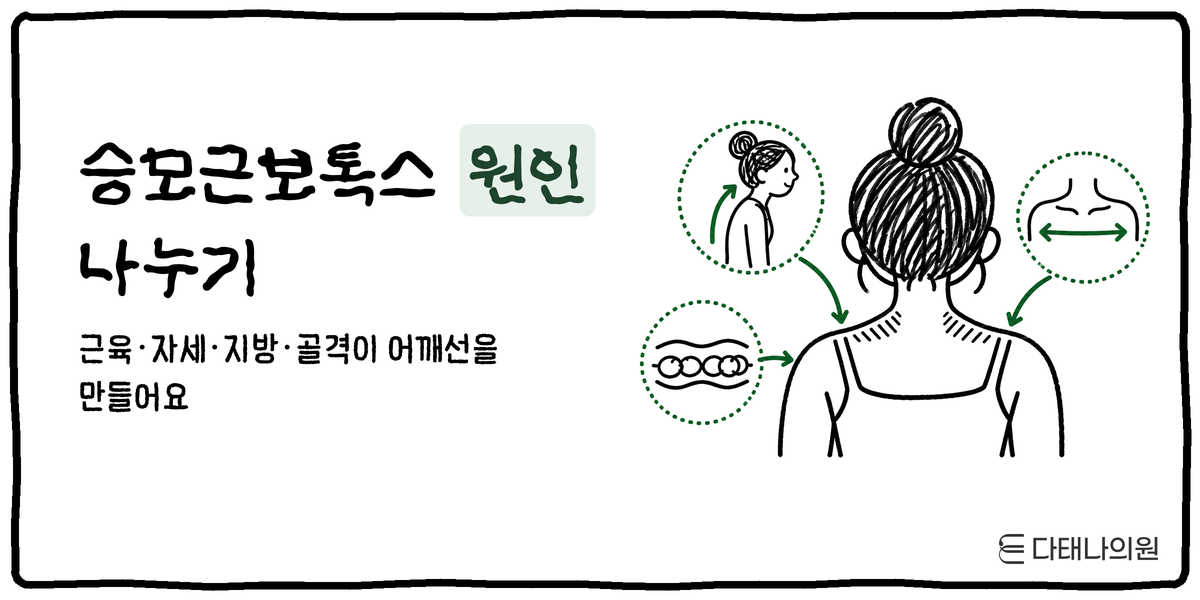
Some people look into trap Botox because the line running from the neck to the shoulders looks bulky. Here we break down the causes of a thick-looking shoulder line, what you can expect when muscle activity is reduced, and the reactions that can show up in the arms and shoulders.
1. The upper trapezius, which fills the space between neck and shoulder
2. The many reasons a shoulder line can look thick
3. What can change when muscle activity is reduced
4. A feeling of weakness when lifting the arm, and shoulder fatigue
5. What else to consider when tightness and pain are the main concern
6. Setting photo angles and when to compare
Today's summary
The upper trapezius is used to lift the shoulders.
Posture, fat and bone structure also shape the shoulder line.
Changes in muscle thickness are temporary and vary a lot from person to person.
You may feel some weakness when raising your arms.
Hello, this is Datena Clinic.
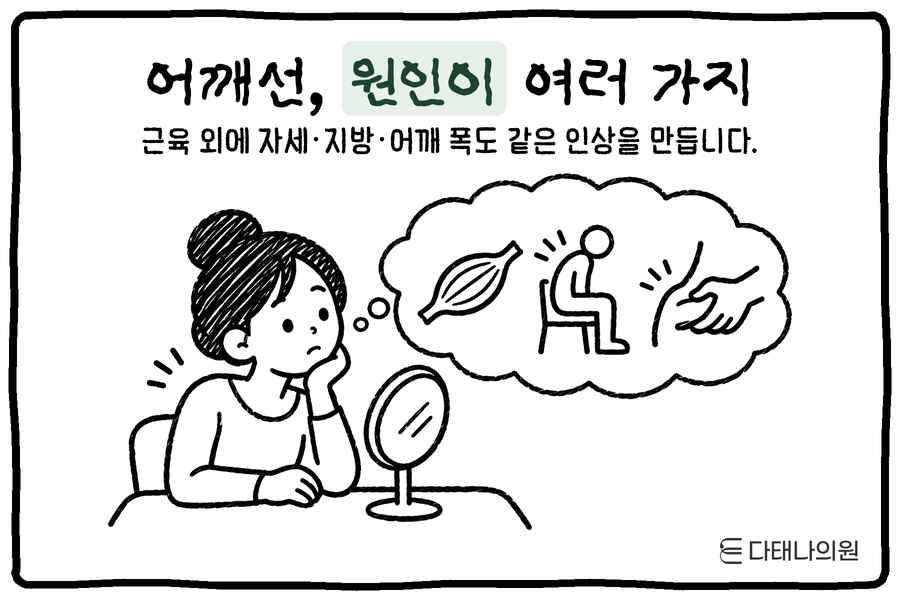
When your neck looks short in clothes or your shoulders seem hunched up, it's easy to assume the muscles on top of your shoulders are overdeveloped. Sometimes the trapezius really is the cause, but long hours of sitting, fat around the neck, or naturally broad shoulders can create the same look. In photos, the shoulder line can also look quite different depending on the camera angle, arm position and how much you're tensing your shoulders. Different causes mean different changes you can expect from trap Botox. In this article, we'll go through the factors that make a shoulder line look thick one by one, and cover the discomfort that can follow treatment.
1. The upper trapezius, which fills the space between neck and shoulder
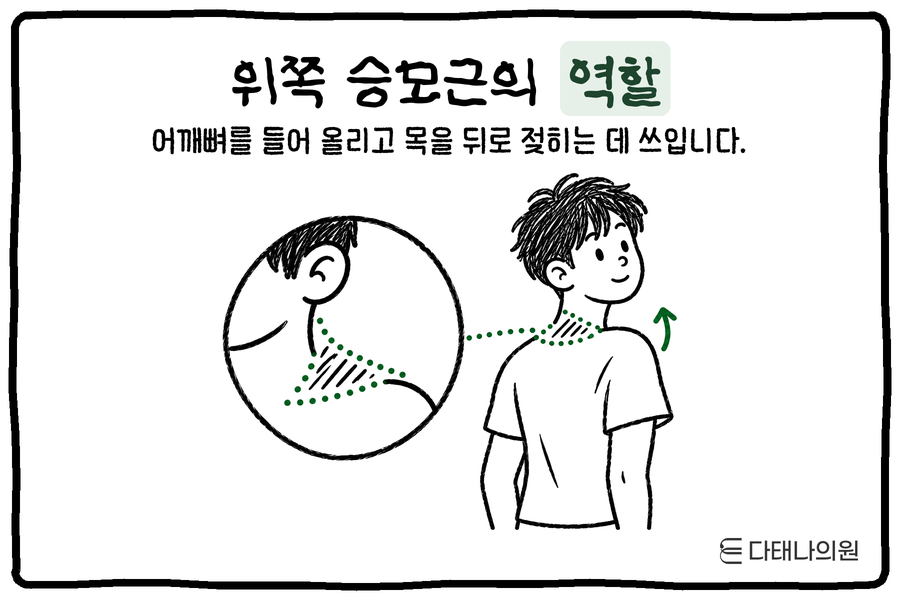
The trapezius is a broad muscle spreading from the back of the neck to the middle of the back, and its upper, middle and lower fibers each do different jobs. For cosmetic purposes, the part people usually talk about is the upper fibers, which run from the side of the neck to the tip of the shoulder.
The upper trapezius helps lift and upwardly rotate the shoulder blade and tilt the head back. So it's in constant use when you shrug, raise your arms overhead, or carry a heavy bag on one shoulder. The fact that it's a muscle you use so much in daily life is the starting point for understanding what to expect and how your body may react.
2. The many reasons a shoulder line can look thick
If the side of your neck pops up firm when you slowly shrug and lower your shoulders, muscle is likely a big contributor. On the other hand, if you can pinch a thick, soft layer with your fingers, subcutaneous fat needs to be considered as well.
With rounded shoulders and a forward head posture, the neck looks shorter and the upper trapezius tends to stay tense. Bone structure, such as collarbone length and shoulder width, can't be changed by a muscle injection. Most people have a mix of these factors, so we look at the front, back and side views together to sort out how much each one contributes.
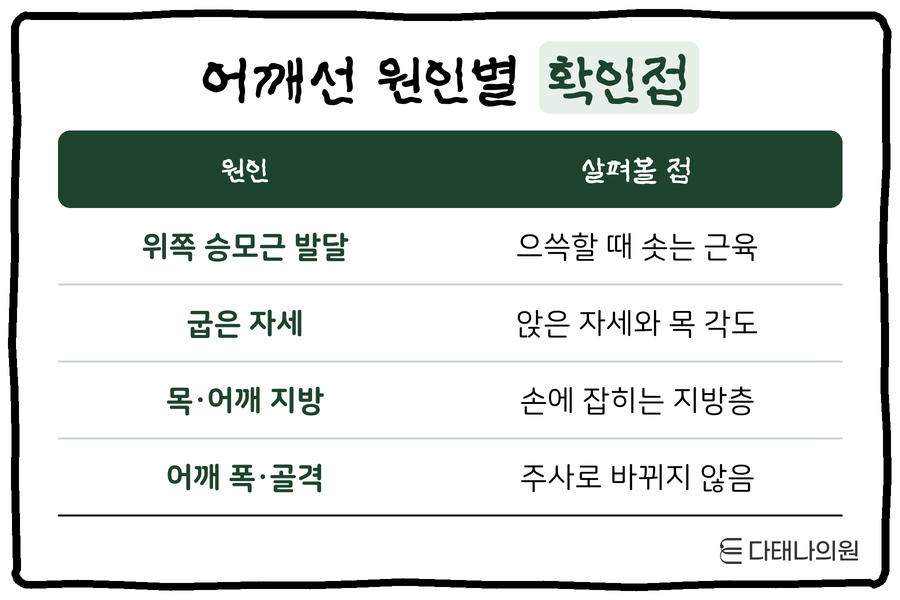
Cause | What to check |
|---|---|
Upper trapezius development | Muscle that rises when you shrug |
Hunched posture | Sitting posture and neck angle |
Neck and shoulder fat | A fat layer you can pinch |
Shoulder width and bone structure | Not changed by injections |
3. What can change when muscle activity is reduced
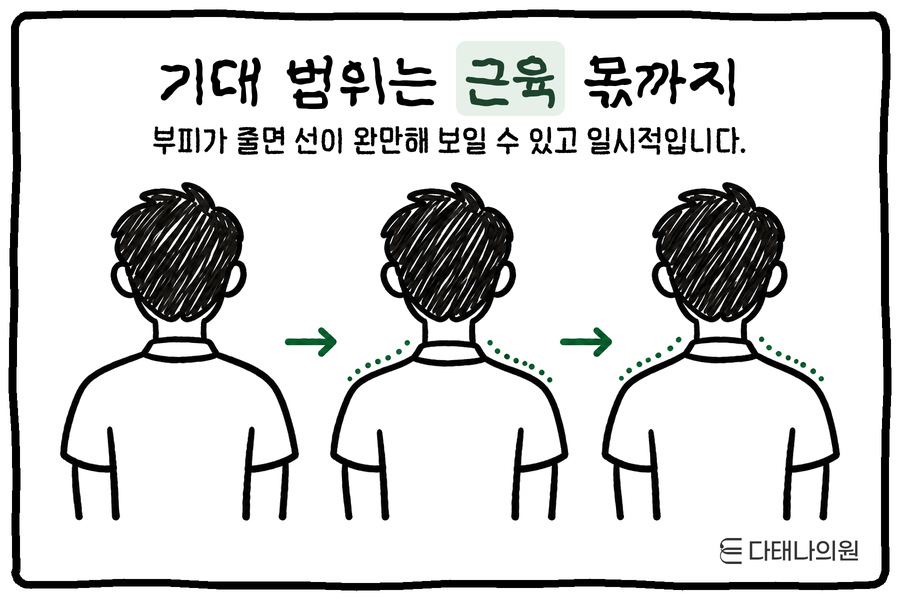
Botulinum toxin temporarily reduces the signals nerves send to muscles, lowering muscle activity. As reduced use continues, the upper trapezius may shrink slightly in volume, so the line from the neck down to the shoulders can look gentler.
That said, most cosmetic studies on this area are small, involving a few dozen people. Some report that muscle thickness measured by ultrasound decreased over several months, but as muscle activity recovers over time, it tends to return to its original state. If fat or posture is the main cause, the change may feel small.
4. A feeling of weakness when lifting the arm, and shoulder fatigue
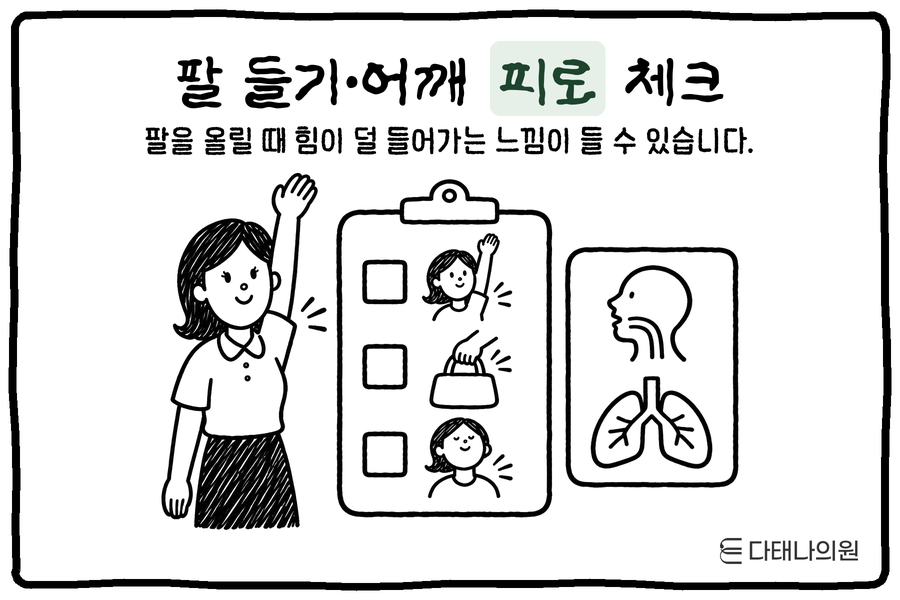
Soreness and small bruises at the injection sites often settle within a few days. Because the upper trapezius lifts the shoulders, reduced activity can make it feel harder to raise your arms overhead or lift heavy objects.
Some people also find their shoulders tire easily or that it's hard to hold their head up for long. If you use your shoulders a lot for sports or work, be sure to tell us before treatment. If you experience weakness throughout your body or trouble swallowing, breathing or speaking, this may be due to the medication spreading, and you need immediate medical evaluation.
5. What else to consider when tightness and pain are the main concern
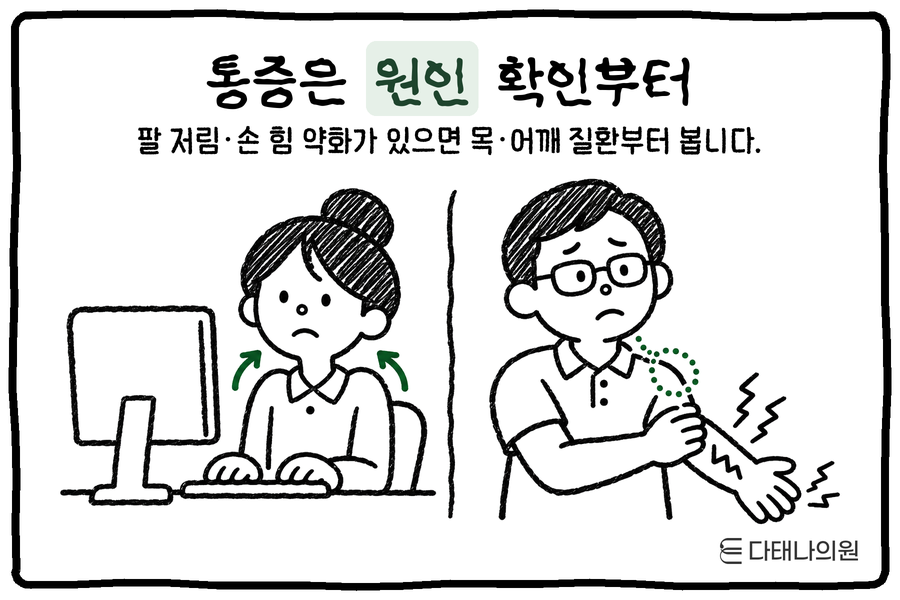
If you also have shoulder tightness or neck pain, muscle tension may not be the only cause. A cervical disc problem, shoulder joint disease or a pinched nerve can show up as arm numbness, weaker grip, or pain that gets worse when moving in certain directions.
With these symptoms, diagnosing the cause comes before any cosmetic treatment. Even if muscle tension is the main cause, tightness tends to keep coming back if you keep working in the same position for long periods, so it's a good idea to also look at lifestyle factors like stretching and your desk and monitor height. If you are pregnant or breastfeeding, or have a neuromuscular disorder, this treatment should be avoided.
6. Setting photo angles and when to compare
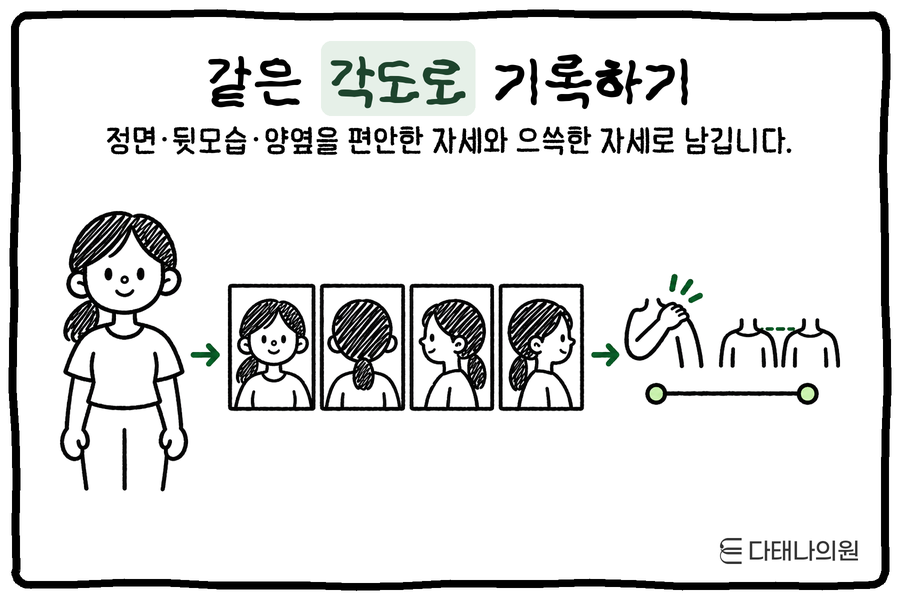
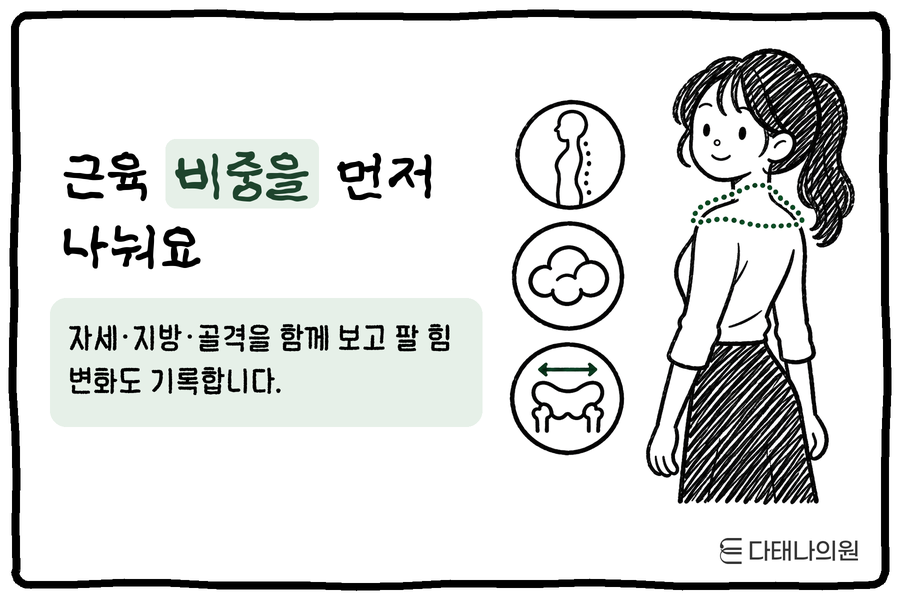
Changes in your shoulder line are actually hard to notice when you see yourself in the mirror every day. Before treatment, take front, back and both side photos under the same lighting and from the same distance, with one set with your shoulders relaxed and down and another with them shrugged. This makes comparison much easier.
Muscle changes appear over several weeks rather than right after the injection, so it's best not to judge too early. In later photos, along with thickness, we also note whether you had any discomfort lifting your arms and whether the left and right heights changed. As these records build up, they give us a basis for adjusting the dose and injection sites in the next plan.
Wrapping up
Trapezius Botox aims to soften the line between the neck and shoulders by reducing the activity of the upper trapezius, the muscle that lifts the shoulders. Posture, fat and bone structure often play a part too, so it's important to first figure out how much of the bulk is actually muscle. Understand that reactions such as reduced arm-lifting strength or shoulder fatigue, as well as the degree of change, vary from person to person. Keeping photos taken from the same angles will help you evaluate the results more calmly.
You can find details on our treatments and directions on the Datena Clinic official website.